
Twin Token
Back to Media
Published on
August 1, 2026
Mindfulness Techniques for Cash or Crash Live Used by UK Users
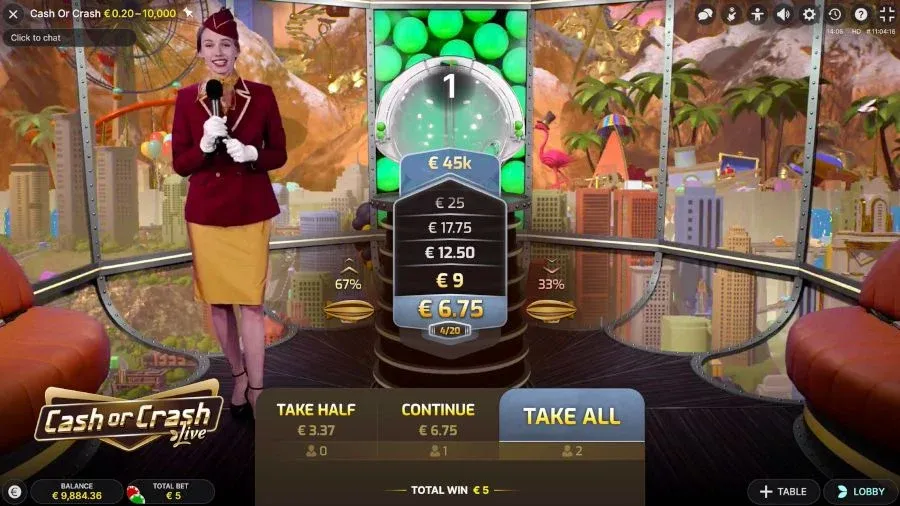
Live casino games like Cash or Crash Live feature a unique kind of tension https://cashorcrashcasino.eu/. One moment you’re watching a multiplier climb, the next a balloon pops and the round is over. In that atmosphere, keeping a clear head isn’t just useful; it’s what separates a reactive player from a considered one. From what I’ve seen, the players in the UK who manage these swings best are not psychic. They are just better at managing their own reactions. This is where mindfulness enters. The techniques we will look at are straightforward. They won’t guarantee a win—no strategy can do that—but they will help you stay balanced. By bringing a calmer focus to the virtual table, you can make decisions based on your plan, not your pulse.
Comprehending the Conscious Player’s Edge in Live Casino Games
Mindfulness comes down to this: giving purposeful, non-judgmental attention to the here and now. In a round like Cash or Crash Live, that involves shifting your concentration. Rather than getting lost in the pursuit for the following big payout, you turn into an observer. You observe the game, and you monitor your own feelings to it. I’ve noticed that players who follow this spot their spontaneous urges more readily. That desire to increase a bet after a loss, or the giddy sensation that leads you to want to abandon your spending limit, transforms into something you perceive, not something you instinctively comply with. This awareness generates a real edge. You cease being a bystander on the game’s rollercoaster and start being the person who resolved to join the journey, with a clear concept of when to get off. That clarity is the foundation of sticking to a budget and gambling sensibly, which is fundamental to the UK’s controlled casino structure.
Grounding Your Attention with the Breath Throughout Play
When the intensity builds in a live round, your breath is always with you. It’s a natural anchor. My advice is to work on tuning into it, especially when the multiplier is rising and the presenter’s voice climbs with it. Don’t force it. Just observe. Is your breath superficial? Are you holding it? That basic recognition is the first step. Then, direct yourself toward one or two slower, deeper breaths. This isn’t just soothing; it’s a direct response to the body’s stress chemistry. By anchoring your awareness in the physical act of breathing, you establish a pocket of calm inside the excitement. It’s a technique used by snooker players and musicians alike. It keeps you from being entranced by the screen and keeps your mind focused enough to decide when to cash out.
Developing Detachment to Separate Round Outcomes
Games of chance and the concept of non-attachment are natural partners. This isn’t about apathy. It’s about refusing to let your mood be hijacked by the outcome of a lone round. Try to see each round of Cash or Crash Live as its own separate event. When a balloon pops early, consciously accept that outcome before the next round loads. Do a mental reset. This stops frustration from building. It also stops you from creating a narrative, like telling yourself “I’m owed a win,” which only impairs your judgment. Starting fresh each time protects your emotional balance and your bankroll. This perspective makes logical sense too, as every outcome in licensed UK games is governed by a Random Number Generator, guaranteeing each round is separate and fair.
Incorporating Short Meditations into Your Gaming Routine
To enhance the in-game approaches, you can develop your focus off the table. Short, guided meditations are readily found. Plenty of apps popular in the UK feature five or ten-minute sessions on focus or managing anxiety. Do these when you’re calm, not when you’re about to play. You’re fundamentally training your brain to achieve a state of calm awareness with greater ease. Over time, you’ll discover you can enter that focused calm during a tense live round. Think of it like doing drills for your mind. An athlete trains off the pitch so their body knows what to do during the match. This daily practice strengthens all the in-the-moment skills we’ve covered.
Employing the ‘Cash Out’ Moment as a Mindfulness Bell
That Cash Out button is not merely a game feature. You can employ it as a personal cue for a mindfulness check-in. Every time you glance at the button, or notice another player cash out, let it be a signal. Use that instant to scan yourself. Is there tension in your shoulders? What’s the emotion behind the urge—nerves, excitement, greed? Just note it. This converts a routine game action into a built-in prompt for self-awareness. It breaks the autopilot mode that can take over during long sessions. With practice, you cultivate a habit of pausing. Your cash-out decisions become more deliberate, less a knee-jerk reaction to fear or euphoria. A moment of potential stress becomes a chance to realign with your strategy.
The Pre-Game Preparation Ritual: Setting Your Intention
How you set up your session matters. A concise, steady ritual before you sign in makes a difference. It doesn’t need to be elaborate. Devote two minutes concentrating on your breathing. Consume a glass of water steadily, paying attention the feeling. Or simply declare your intention out loud. Something like, “I’m wagering £20 tonight as entertainment. I’ll adhere to my boundaries.” This routine builds a mental barrier. It separates the noise of your day from the focused space of the game. For UK players fitting in a session between other commitments, that change is key. It means you arrive at the Cash or Crash Live game because you decided to, not because you followed a link impulsively after a annoying message.
The After-Session Assessment: Learning Free of Criticism
Ending your session correctly is a technique. Take five minutes when you end the game for a unbiased analysis. Pose yourself straightforward questions. “What was my concentration?” “Have I stay within the limits I set?” “What did I feel as the dominant feeling during play?” The goal is observation, not a judgment. If you deviated from your plan, wonder about why. Was it due to boredom? A reaction to a previous win? This kind of self-examination converts every session, victory or defeat, into useful data about your own habits. For the aware player, this is how you build resilience. It strengthens the idea that you are in charge of the game as a mode of entertainment, not the other way around.
Watching Ideas and Impulses Without Reacting
A core element of presence is noticing your inner voice pass by without getting swept away by them. During the game, this might look like observing the thought, “I have to win that money back instantly.” Or its counterpart: “This sequence is never-ending, I should go all in.” The skill is in the recognition. You think, “That’s the chasing thought again,” and you let it float by like background noise. This offers a pause. In that gap between the trigger and your response, you find your choice. You can recall the boundaries you set before you began. This method is powerful for keeping control. It transforms a automatic habit into a deliberate decision, which sits perfectly with the ethical play ethos championed by UK providers and watchdogs.
Developing a Healthy and Rewarding Gaming Mindset
The actual idea of bringing mindfulness to Cash or Crash Live is to render the game more lastingly enjoyable. It’s a shift away from linking your enjoyment solely to the outcome—where only a win feels good. Instead, you learn to savor the process itself: the suspense of the climb, the strategy behind your cash-out points, the sheer spectacle of the live show. This mindset organically supports responsible play. You’re no longer gambling to plug an emotional hole or chase a loss. You’re connecting with a piece of entertainment from a position of active choice. In the UK’s online casino scene, where player safety is a priority, this mindful approach may be the most practical tool you have. It’s what keeps your leisure time feeling like just that—leisure.